
Maintaining a consistent eating routine can be challenging when every day brings different responsibilities. Work, school, family activities, errands, and unexpected changes can easily interfere with meal times. When food is not planned ahead, it becomes tempting to skip meals, order something at the last minute, or choose whatever happens to be available. Simple meal preparation can reduce these problems by making everyday food easier to organize and access.
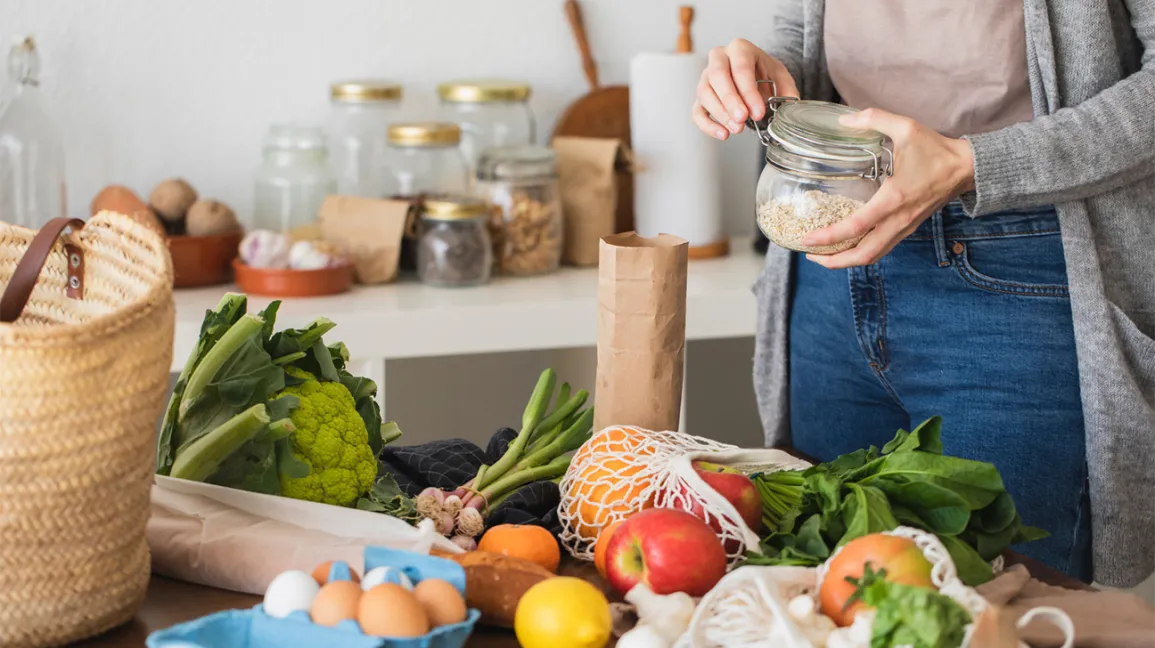
Meal preparation does not have to involve spending an entire day cooking or filling the refrigerator with identical containers. A practical approach can be as simple as preparing a few ingredients, planning several meal ideas, and keeping convenient foods available. The goal is to create a routine that saves time while still allowing enough flexibility for changing schedules and personal preferences. With a few manageable habits, preparing regular meals can become much easier.
Begin With a Simple Weekly Plan
A basic plan can give your eating routine structure without making it overly complicated. Start by thinking about the meals you are likely to need during the week and consider which days will be particularly busy. Choose a few familiar breakfast, lunch, and dinner options instead of trying to plan an entirely different recipe for every day. A simple plan gives you an idea of what ingredients to buy and what food should be prepared in advance. It also reduces the amount of time spent deciding what to eat when you are already busy.
Check Your Kitchen Before Shopping
Before purchasing groceries, take a few minutes to check your refrigerator, freezer, and pantry. You may already have rice, oats, vegetables, eggs, beans, pasta, bread, frozen foods, or other useful ingredients. Knowing what is available can prevent unnecessary purchases and help you use food before it goes bad. It can also give you ideas for meals that require only a few additional ingredients. This small habit can make grocery shopping more efficient and reduce food waste.
Choose Meals That Fit Your Schedule
The best meal plan is one that matches the amount of time you actually have. If you know that certain evenings are busy, choose meals that require minimal preparation on those days. More involved dishes can be saved for days when you have extra time. You can also prepare components ahead of time so that the final meal comes together quickly. Planning meals according to your schedule makes the routine more realistic and reduces the chance of abandoning it when life becomes busy.
Prepare Ingredients in Batches
Preparing several ingredients at once can save time throughout the week. You might wash and cut vegetables, cook a batch of rice, boil eggs, prepare beans, or cook a protein source that can be used in several meals. These ingredients do not have to become complete meals immediately. Keeping them ready allows you to combine them differently depending on what you want to eat. Batch preparation is especially useful for people who prefer fresh meals but have limited time for daily cooking.
Keep Breakfast Simple
Breakfast is often difficult to manage when mornings are rushed. Keeping a few simple options available can make it easier to eat consistently. Oats, yogurt, eggs, fruit, whole grain toast, and smoothies can be prepared with relatively little effort. Some breakfast ingredients can be portioned the night before so that less work is required in the morning. Having several reliable choices also prevents you from depending on the same meal every day.
Prepare Convenient Lunches
Lunch can become inconsistent when there is no plan for the middle of the day. Preparing lunch ingredients ahead of time can make it easier to assemble a meal before leaving home. Sandwiches, wraps, salads, rice bowls, leftovers, and soups can all work as practical options. If you prepare several ingredients at the beginning of the week, you can create different combinations without cooking a completely new meal each day. This can also make taking food to work or school more convenient.
Make Dinner Preparation Easier
Dinner can feel like the biggest challenge after a long day. One way to simplify it is to choose meals with a small number of preparation steps. You can also prepare vegetables, grains, or proteins earlier in the day or on another day when you have more time. Keeping basic ingredients ready means that dinner may only require combining and heating them. Simple dishes such as vegetable rice, lentil soup, egg dishes, roasted vegetables, pasta with vegetables, or homemade wraps can be adapted to suit different preferences.
Use Leftovers With a Purpose
Leftovers can make a consistent eating routine much easier when they are planned rather than accidental. When cooking dinner, consider whether part of the meal can become the next day’s lunch. Cooked vegetables, grains, proteins, and soups can often be stored and reused. You can also change the presentation so that the same ingredients feel different. For example, leftover chicken can become part of a wrap, while cooked vegetables can be added to eggs or a grain bowl. Using leftovers strategically saves both time and ingredients.
Keep Emergency Foods Available
No meal plan works perfectly every day. Unexpected responsibilities may leave you with little time to cook. Keeping a selection of convenient foods at home can prevent one disrupted day from affecting your entire routine. Frozen vegetables, canned beans, eggs, oats, whole grain bread, yogurt, canned fish, and other long-lasting foods can provide quick meal options. These foods are useful when you need something simple without making another grocery trip.
Organize Food So It Is Easy to Find
Kitchen organization can have a major effect on meal preparation. When prepared ingredients are easy to see, you are more likely to use them. Keep frequently used foods in accessible locations and store prepared items in clearly labeled containers when appropriate. Place foods that need to be used soon where they are easy to notice. A tidy refrigerator and pantry can reduce the time spent searching for ingredients and make cooking feel less difficult.
Prepare Snacks in Advance
Snacks can also become part of a consistent eating routine. Instead of waiting until you are extremely hungry and then searching for something convenient, prepare a few simple options ahead of time. Fruit, yogurt, nuts, seeds, chopped vegetables, boiled eggs, or other preferred foods can be stored in easy-to-access portions. Having convenient choices available can make busy afternoons more manageable. The idea is to make suitable snacks easier to reach rather than relying on last-minute decisions.
Use a Reusable Grocery List
A reusable grocery list can make weekly shopping faster. Keep track of foods that your household regularly uses and check them before each shopping trip. You can divide the list into categories such as vegetables, fruits, grains, proteins, dairy products, and pantry staples. Add only the items needed for the meals you have planned. Over time, this system can become almost automatic and reduce the mental effort required to remember everything.
Cook More Than One Meal Component
Preparing multiple components at the same time can improve kitchen efficiency. For example, while vegetables are roasting, you can cook rice on the stove and boil eggs. While one dish is cooking, another ingredient can be prepared for a later meal. This approach allows you to make better use of your time without requiring complicated cooking techniques. Once the ingredients are ready, they can be stored separately and combined throughout the week.
Keep Preparation Equipment Ready
Having basic kitchen equipment clean and accessible can make meal preparation easier. Cutting boards, knives, storage containers, measuring tools, cooking pans, and other frequently used items should be easy to reach. If you regularly use a blender or rice cooker, keeping it available can reduce unnecessary setup time. You do not need expensive equipment to prepare meals efficiently. A few dependable tools and an organized workspace are often enough.
Prepare According to Your Actual Needs
Meal preparation should reflect how much food you realistically consume. Preparing excessive quantities may create unnecessary leftovers and increase the chance of food waste. Preparing too little can force you to cook again sooner than expected. Pay attention to how much your household normally eats and adjust quantities gradually. As you gain experience, it becomes easier to estimate how much rice, vegetables, protein, or other ingredients are needed for several meals.
Keep Some Meals Flexible
A consistent eating routine does not mean eating at exactly the same time or following an identical menu every day. Flexibility is important because schedules can change. Keep a few alternative meals available for days when the original plan does not work. If you planned to cook but arrive home late, use a prepared meal or simple backup option instead. A flexible routine is easier to maintain because it can adapt to real-life circumstances.
Avoid Overcomplicating Recipes
Complex recipes can be enjoyable occasionally, but they are not always practical for everyday meal preparation. Choose recipes with manageable ingredients and straightforward cooking steps for regular weekdays. A simple meal can still be satisfying when it includes different flavors, textures, and food groups. You can save more elaborate recipes for weekends or days when you have additional time. Keeping everyday meals simple makes it easier to stay consistent.
Create a Regular Preparation Day
Choosing one or two preparation periods during the week can provide structure. Some people may prefer preparing food on a weekend, while others may find a shorter session during the middle of the week more convenient. During this time, you can wash vegetables, prepare grains, cook proteins, portion snacks, and review your grocery needs. The preparation period does not need to last several hours. Even a short session can make the following days easier.
Review Your Routine Each Week
At the end of the week, consider what worked and what did not. Notice which meals were easy to prepare, which ingredients were used quickly, and which foods remained untouched. If you repeatedly run out of an important ingredient, add more to your shopping list. If a particular meal takes too much time, replace it with a simpler option. Small adjustments can gradually create a meal preparation system that fits your lifestyle.
Make Consistency the Main Goal
The purpose of meal preparation is not to create a perfect schedule. It is to make regular eating easier when life becomes busy. Preparing a few ingredients, keeping convenient foods available, planning simple meals, and using leftovers effectively can reduce the amount of daily effort required to organize food.
A consistent routine develops through manageable habits rather than major changes made all at once. Start with one preparation task, such as preparing breakfast ingredients or cooking a batch of vegetables, and gradually add other habits that make your week easier. When meal preparation fits naturally into your schedule, eating regularly becomes less stressful and more predictable. A simple system that you can maintain week after week can be more useful than an ambitious plan that becomes difficult to follow.