
Preparing balanced meals does not always require expensive ingredients, specialized products, or complicated recipes. Many nutritious and satisfying meals can be made with foods that are already found in an ordinary kitchen. Rice, potatoes, eggs, beans, vegetables, fruits, grains, dairy products, nuts, seeds, and other everyday ingredients can be combined in simple ways to create meals that provide variety and nourishment.
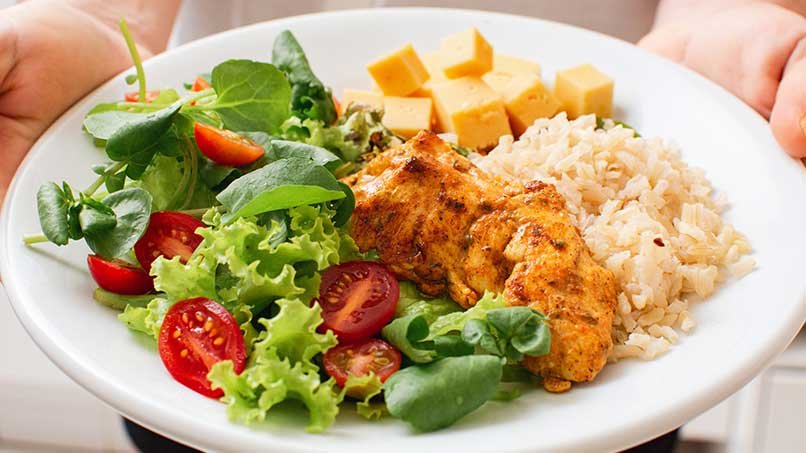
The key is understanding how different foods contribute to a meal and learning how to combine them in practical proportions. A balanced meal can include a source of protein, foods that provide carbohydrates, vegetables or fruits, and a suitable source of healthy fats. The exact combination can change depending on personal preferences, available ingredients, and the type of meal being prepared. With a little planning, common kitchen foods can become the foundation of many simple and balanced meals.
Understand the Main Parts of a Balanced Meal
A useful first step is learning what a balanced meal generally contains. Protein foods can include eggs, beans, lentils, fish, chicken, yogurt, milk, and other protein-rich choices. Carbohydrate foods may include rice, oats, potatoes, bread, pasta, corn, and other grains. Vegetables and fruits provide important vitamins, minerals, fiber, and other beneficial compounds. Healthy fats can come from nuts, seeds, certain oils, avocado, and some other foods. A meal does not need to contain every possible food group in equal amounts. Instead, combining several different types of foods can create a more varied and satisfying plate.
Start With Foods Already Available
Before planning a meal, look at what is already in the refrigerator, freezer, and pantry. You may have ingredients that can easily be combined without another grocery trip. For example, leftover rice can be paired with eggs and vegetables, while beans can be combined with potatoes, tomatoes, or whole grain bread. Yogurt can accompany fruit and oats for a simple breakfast. Using available ingredients first can save money and reduce food waste. It can also make meal preparation easier because you are working with foods you already know how to prepare.
Use Eggs as a Flexible Protein
Eggs are common in many kitchens and can be used in several balanced meal combinations. Scrambled eggs can be served with whole grain toast and vegetables, while boiled eggs can be added to a salad or grain bowl. An omelet can include tomatoes, onions, spinach, peppers, or other vegetables. Eggs can also be combined with leftover potatoes or rice for a quick meal. Their flexibility makes them useful when you need a simple protein source without preparing an elaborate recipe.
Combine Rice With Vegetables and Protein
Rice can form the base of many practical meals. Instead of eating rice by itself, combine it with a protein source and vegetables. Cooked chicken, beans, lentils, eggs, or fish can provide protein, while carrots, peas, spinach, cabbage, peppers, tomatoes, or other vegetables can add variety. A small amount of oil or another suitable fat can be used during cooking. This simple combination creates a meal that is more varied than a plate centered on only one ingredient.
Make Potatoes Part of a Complete Meal
Potatoes can be prepared in many ways and can fit into a balanced meal when combined with other foods. Boiled or baked potatoes can be served with eggs, beans, fish, chicken, or yogurt along with vegetables. Potato and vegetable soup can also be paired with a protein-rich side. Instead of treating potatoes as the entire meal, use them as one part of a larger combination. This approach allows you to enjoy familiar foods while adding other ingredients that contribute different nutrients.
Use Beans and Lentils Regularly
Beans and lentils are practical foods that can be used in many everyday meals. They can be added to soups, stews, rice dishes, salads, wraps, or vegetable mixtures. Lentils can also be cooked with tomatoes, onions, and common spices to create a simple meal. Beans can be combined with rice and vegetables for a filling lunch or dinner. Because these foods work well with many ingredients, keeping them available can make balanced meal preparation easier.
Add Vegetables to Familiar Dishes
Adding vegetables does not always require preparing a separate salad. Vegetables can be included directly in dishes that you already enjoy. Chopped tomatoes and onions can be added to eggs, while spinach can be mixed into an omelet or soup. Peas and carrots can be added to rice, and cabbage or peppers can be included in stir-fried meals. This makes vegetables part of the main meal instead of treating them as an extra task. Using different vegetables throughout the week can also add variety in flavor and texture.
Include Fruit in Breakfast and Snacks
Fruit can be an easy way to add variety to meals and snacks. Bananas, apples, oranges, berries, pears, mangoes, and other available fruits can be eaten on their own or combined with other foods. Fruit can be added to oatmeal, yogurt, smoothies, or breakfast bowls. A piece of fruit can also make a convenient snack when paired with yogurt, nuts, or another suitable food. Choosing fruits that are in season can sometimes make them more affordable and flavorful.
Build Simple Breakfast Bowls
A balanced breakfast does not have to involve complicated cooking. A bowl of oats can be prepared with milk or yogurt and topped with fruit and a small amount of nuts or seeds. Another option is plain yogurt combined with fruit and oats. Eggs can be served with whole grain toast and vegetables. These combinations are simple but provide several types of food in one meal. Preparing some ingredients ahead of time can make these breakfasts even easier on busy mornings.
Turn Leftovers Into New Meals
Leftovers can become useful building blocks for another balanced meal. Cooked vegetables can be added to eggs, while leftover chicken can be placed in a sandwich or wrap. Extra rice can be combined with beans, vegetables, and an egg. Leftover roasted vegetables can be served with yogurt and a grain. Using leftovers in a different combination can prevent meals from feeling repetitive while reducing the amount of food that gets thrown away.
Choose Whole Grains When Available
Whole grain foods can add fiber and other nutrients to meals. Common options include oats, whole grain bread, brown rice, whole grain pasta, and other minimally processed grains. If whole grain versions are available and suitable for your preferences, they can be included as part of a varied eating pattern. You do not need to replace every grain-based food at once. Simply having several grain options can make it easier to create different meals throughout the week.
Add Dairy or Suitable Alternatives
Milk, yogurt, and other dairy foods can be incorporated into many meals. Yogurt can accompany fruit, oats, or a savory meal, while milk can be used in oatmeal or smoothies. Cheese can be added in moderate amounts to sandwiches, eggs, or vegetable dishes. People who do not consume dairy can choose suitable alternatives that fit their dietary needs. The important point is to consider these foods as one component of a broader meal rather than relying on a single ingredient for overall nutrition.
Use Nuts and Seeds in Small Amounts
Nuts and seeds can add texture and healthy fats to everyday meals. Almonds, peanuts, walnuts, sunflower seeds, pumpkin seeds, and similar foods can be added to oatmeal, yogurt, salads, or homemade snacks. Because they are energy-dense, a modest portion can be enough to complement a meal. They can also be useful when you want to add variety without preparing another complicated ingredient.
Make Simple Homemade Soups
Soups are an easy way to combine several common kitchen foods. Vegetables, beans, lentils, potatoes, grains, chicken, and herbs can be cooked together to create a filling dish. A lentil and vegetable soup, for example, can provide protein-rich legumes along with vegetables and a source of carbohydrates. Homemade soup can also be stored for later meals, making it useful for busy days. Adjusting the ingredients allows you to use whatever is already available.
Prepare Simple Homemade Wraps
Wraps can bring several food groups together in one convenient meal. A whole grain wrap can be filled with chicken, eggs, beans, or another protein source along with vegetables. Yogurt-based sauces, avocado, or a small amount of another suitable topping can add flavor. Wraps are particularly useful for lunches because they can often be prepared quickly and carried easily. They can also be changed from day to day by using different fillings.
Pay Attention to Cooking Methods
How food is prepared can influence the overall quality of a meal. Baking, steaming, boiling, grilling, roasting, and light sautéing are practical methods for many foods. You do not have to avoid every food prepared with oil, but using cooking methods that fit your needs can make everyday meals easier to manage. Vegetables can be roasted or steamed, eggs can be boiled or lightly cooked, and potatoes can be baked instead of always being fried. Choosing different cooking methods can also make familiar ingredients more interesting.
Keep Portions Practical
Balanced eating is not only about choosing different foods. The amount of each food also matters. A useful approach is to make vegetables and other plant foods a noticeable part of the meal, include a protein source, and add a suitable amount of carbohydrate-rich food. Individual needs vary based on factors such as age, activity level, body size, and personal health requirements. Instead of following one exact portion size for everyone, pay attention to hunger, fullness, and your own nutritional needs.
Use Herbs and Spices for Flavor
Healthy meals do not have to be bland. Common herbs and spices can make simple ingredients more enjoyable without requiring complicated sauces. Garlic, ginger, black pepper, cumin, coriander, paprika, turmeric, chili, parsley, and other seasonings can change the flavor of rice, vegetables, eggs, beans, chicken, and soups. Lemon juice, yogurt-based sauces, or fresh herbs can also add freshness. Flavorful seasoning can make it easier to enjoy simple homemade meals regularly.
Plan a Few Reliable Meal Combinations
You do not need a completely different recipe every day. Having several reliable meal combinations can make food planning much easier. For breakfast, you might rotate between eggs with toast and vegetables, oats with fruit and yogurt, or a simple fruit and yogurt bowl. Lunch could include rice with beans and vegetables, a chicken wrap, or leftover soup. Dinner could involve potatoes with eggs and vegetables, lentil stew with rice, or baked fish with vegetables. A small collection of familiar combinations can provide enough variety without making meal planning complicated.
Make Balanced Eating a Practical Habit
Preparing balanced meals from common kitchen foods is mainly about combining ingredients thoughtfully rather than buying special products. A simple meal can become more complete when you add a protein source, include vegetables or fruit, choose a suitable carbohydrate, and use a modest amount of healthy fat. These small adjustments can make familiar foods more useful and enjoyable.
The best approach is one that fits your normal routine and available ingredients. Start with foods you already have, learn a few flexible combinations, and gradually build a collection of meals that are easy to prepare. With consistent practice, balanced meal preparation can become a normal part of everyday cooking rather than a complicated project that requires extensive planning.