
A balanced nutrition plan is not about eating perfectly every day. It is about creating a practical eating routine that gives your body the nutrients and energy it needs while still fitting into your normal lifestyle.
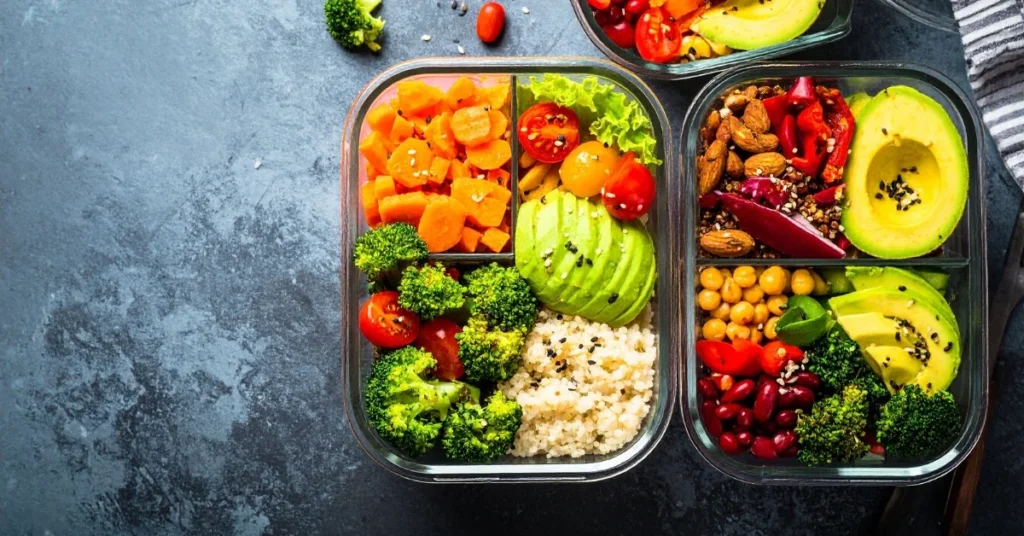
Many people approach nutrition by searching for a strict meal plan and trying to follow it exactly. That approach can work for a short period, but it may become difficult when work schedules change, food preferences are different, or unexpected events affect the routine.
A better strategy is to understand how to build your own nutrition plan. This allows you to choose foods you enjoy, organize meals around your schedule, and make adjustments when your needs change.
A balanced plan should provide enough energy, include a variety of foods, support your personal goals, and remain realistic enough to follow consistently.
Begin With Your Current Eating Habits
Before changing your diet, take some time to understand what you already eat.
Think about your typical breakfast, lunch, dinner, snacks, and drinks. Notice which meals are usually satisfying and which ones leave you hungry soon afterward.
You can also consider how often you eat outside the home, how frequently you prepare meals yourself, and whether your schedule causes you to skip meals.
There is no need to judge your current habits as good or bad.
The purpose of this step is simply to identify patterns.
For example, you might discover that breakfast is usually balanced but lunch is rushed. Another person might notice that evening snacks are the biggest source of extra food during the day.
Knowing where your routine needs improvement makes the next steps much easier.
Decide What You Want Your Plan to Achieve
Your nutrition plan should have a clear purpose.
Some people want to maintain their current weight. Others may want to reduce body fat, gain muscle, improve exercise performance, or simply develop healthier eating habits.
Your goal affects how you organize your meals.
Someone training regularly may need more attention to energy and recovery. Someone with a mostly sedentary lifestyle may have different energy requirements.
A person who wants to improve general nutrition may focus more heavily on food variety and nutrient quality.
You do not need to choose several goals at once.
Start with the result that matters most to you and build your eating routine around it.
Work Out Your Daily Energy Needs
Energy is an important part of any nutrition plan.
Your body needs energy to perform basic functions, move around, exercise, digest food, and complete everyday activities.
Your calorie needs depend on factors such as age, body size, activity level, and personal circumstances.
You can use a calorie calculator to create an initial estimate, but remember that calculators provide estimates rather than exact measurements.
Your real needs can be evaluated by observing your progress over time.
If your goal is weight maintenance and your weight remains relatively stable, your current intake may be close to your maintenance needs.
If your goal is weight loss or weight gain, your calorie intake can be adjusted gradually according to your results.
Build Meals Around Protein
Protein should have a regular place in your daily meals.
Good sources include eggs, chicken, fish, lean meat, yogurt, milk, cottage cheese, beans, lentils, chickpeas, tofu, and other suitable foods.
Including protein in meals can help provide amino acids needed for maintaining body tissues.
Protein can also make meals more satisfying.
Instead of waiting until the end of the day to think about protein, make it part of your meal planning from the beginning.
For example, you might choose eggs for breakfast, chicken or beans for lunch, yogurt as a snack, and fish or lentils for dinner.
This creates a simple pattern without requiring complicated calculations.
Choose Carbohydrates That Fit Your Lifestyle
Carbohydrates can provide useful energy and can also supply fiber and other nutrients when they come from nutritious foods.
Useful choices include oats, rice, potatoes, whole grains, fruits, beans, lentils, and vegetables.
The amount you need depends partly on your activity level.
Someone who trains frequently may include larger portions around workouts, while someone with lower activity may prefer smaller portions.
There is no need to remove carbohydrates simply because you are trying to eat healthier.
Instead, choose suitable sources and adjust portions according to your energy needs.
Include Appropriate Dietary Fat
Dietary fat also belongs in a balanced nutrition plan.
Suitable sources include nuts, seeds, avocado, olives, fish, eggs, dairy products, and plant oils.
Fat is energy dense, so portions can have a noticeable effect on the overall energy content of meals.
This does not mean that you should avoid it.
A practical approach is to include moderate portions and choose a variety of sources.
For example, a small amount of olive oil can be used when preparing vegetables, while nuts or seeds can be added to a meal or snack.
Make Vegetables a Regular Part of Meals
Vegetables can add volume, fiber, vitamins, minerals, and other beneficial plant compounds to your diet.
Instead of trying to eat one particular vegetable every day, create variety.
Leafy greens, carrots, tomatoes, peppers, broccoli, cauliflower, cucumbers, and other vegetables can all contribute different nutrients.
Fresh vegetables are useful, but frozen vegetables can also be convenient and nutritious.
You can add vegetables to omelets, rice dishes, soups, sandwiches, salads, wraps, and main meals.
The easier they are to prepare, the more likely they are to become part of your regular routine.
Do Not Ignore Fruit
Fruit is another useful part of a balanced eating pattern.
Different fruits provide different combinations of nutrients, fiber, and natural carbohydrates.
Apples, bananas, oranges, berries, mangoes, pears, melons, and many other options can be included.
Fruit can work well as a snack or as part of a meal.
If you normally reach for highly processed snacks when you are hungry between meals, keeping fruit available can provide a simple alternative.
There is no need to limit yourself to one type of fruit.
Variety can make your diet more enjoyable while increasing the range of nutrients you consume.
Plan Your Main Meals
A useful nutrition plan becomes easier to follow when you know what your main meals will look like.
You do not necessarily need to prepare an entirely different meal every day.
Instead, create a small collection of meals that you enjoy and can prepare easily.
For example, breakfast could rotate between eggs with whole grain toast, oatmeal with fruit, or yogurt with fruit and nuts.
Lunch could include rice with chicken and vegetables, a bean based bowl, or a balanced sandwich with a side of fruit.
Dinner could rotate between fish with potatoes and vegetables, chicken with rice, or lentils with vegetables.
Having several reliable options reduces the amount of daily decision making.
Organize Your Snacks
Snacks are not automatically unhealthy.
They can be useful when there is a long gap between meals or when your activity level increases your hunger.
The key is choosing portions that fit your overall needs.
Useful snack options can include yogurt, fruit, boiled eggs, nuts, cottage cheese, vegetables with a suitable dip, or a simple homemade snack.
You do not have to snack if you are not hungry.
Some people prefer three larger meals, while others feel better with smaller meals and one or two snacks.
Your schedule and appetite can help determine which approach works best.
Pay Attention to Portion Sizes
A nutritious food can still contribute a significant amount of energy when eaten in very large quantities.
Portion awareness can therefore be useful even when the food itself is healthy.
You do not always need a kitchen scale to understand portions.
Over time, you can become familiar with the approximate amount that satisfies you.
Using smaller serving dishes can also make portions easier to manage.
If you are intentionally tracking calories or macronutrients, measuring foods can provide greater accuracy.
For a general nutrition plan, however, practical portion awareness may be enough.
Create a Shopping List
A nutrition plan becomes much easier to follow when the right foods are already available at home.
Before going grocery shopping, write down the foods needed for your planned meals.
Include protein sources, vegetables, fruits, grains, legumes, dairy products, and suitable sources of dietary fat.
Buying according to a list can reduce unnecessary purchases and make meal preparation easier.
It can also help prevent situations where you arrive home hungry and have very few convenient foods available.
Your shopping list should reflect the meals you actually intend to eat.
Prepare Some Food in Advance
Meal preparation does not have to mean cooking an entire week’s food in one session.
Even small amounts of preparation can save time.
You could cook a batch of rice, wash vegetables, prepare boiled eggs, portion nuts, or prepare a few servings of chicken or beans.
Having basic ingredients ready makes it easier to assemble meals when you are busy.
You can also prepare several complete meals if that suits your schedule.
The best preparation method is the one that reduces stress without making your routine feel restrictive.
Keep Healthy Convenience Foods Available
A balanced nutrition plan should also work on busy days.
You may not always have time to cook.
Keeping convenient options available can prevent your plan from falling apart when your schedule becomes demanding.
Frozen vegetables, canned beans, yogurt, eggs, canned fish, whole grain bread, fruit, and other easy foods can be useful.
Convenience does not automatically mean poor nutrition.
The important question is whether the food helps you create a meal that fits your needs.
Leave Room for Foods You Enjoy
A nutrition plan that excludes every favorite food can become difficult to maintain.
You can include enjoyable foods while still following a balanced eating pattern.
Pizza, burgers, desserts, snacks, and other foods can occasionally fit into a healthy diet when portions and frequency are appropriate.
One meal does not determine the quality of your entire diet.
What you eat consistently over weeks and months matters much more.
Allowing flexibility can also reduce the feeling that you have failed whenever you eat something outside your normal routine.
Stay Hydrated
Fluids are another important part of daily nutrition.
Water is a simple choice for regular hydration.
Your fluid needs can change depending on weather, physical activity, body size, and other factors.
People who exercise heavily or spend time in hot environments may need to pay particular attention to fluid intake.
You can also obtain some water from foods such as fruits and vegetables.
Rather than waiting until you feel extremely thirsty, make drinking fluids a regular part of your day.
Adjust Your Plan Around Exercise
Your nutrition plan should reflect your activity level.
On training days, you may want meals that provide enough energy to support your workouts.
Carbohydrate rich foods can be useful before demanding exercise, while a meal containing protein and other nutrients can support recovery afterward.
The exact timing and amount depend on the type of activity and your personal tolerance.
You do not need to create a complicated sports nutrition routine for every workout.
The main goal is to ensure that your overall diet supports the amount of activity you regularly perform.
Make Your Plan Flexible
Real life rarely follows a perfect schedule.
You may have a family event, restaurant meal, travel day, busy workday, or unexpected change in plans.
A good nutrition plan should be flexible enough to handle these situations.
If you cannot follow your usual breakfast routine one morning, choose another reasonable option.
If you eat at a restaurant, focus on a meal that includes foods that fit your general nutrition goals.
There is no need to compensate for one unusual meal by drastically restricting food later.
Return to your normal routine at the next opportunity.
Monitor How You Feel
A nutrition plan should support more than a number on the scale.
Pay attention to your energy levels, hunger, digestion, workout performance, sleep, and general satisfaction with your meals.
If you constantly feel hungry, your portions or meal composition may need adjustment.
If you feel tired during workouts, your energy intake or meal timing may need attention.
If your meals feel repetitive, adding more variety may make the plan easier to maintain.
Your body can provide useful feedback when you pay attention to consistent patterns.
Review Your Progress
After following your nutrition plan for several weeks, review how things are going.
Look at the changes that relate directly to your goal.
If you want to maintain your weight, consider whether your weight has remained relatively stable.
If you want to lose body fat, look at longer term weight trends and other indicators such as waist measurements.
If your goal is muscle development, consider strength improvements, body measurements, and training progress.
Do not make major decisions based on a single day’s result.
Nutrition changes usually require time before meaningful trends become clear.
Avoid Making Too Many Changes at Once
Changing everything at the same time can make it difficult to determine what is actually helping.
Instead, focus on a few important improvements first.
You might begin by adding a protein source to breakfast, increasing vegetables at lunch and dinner, and preparing snacks at home.
Once these habits become comfortable, you can make additional changes.
This gradual approach can be easier to maintain than attempting a complete lifestyle transformation overnight.
Build a Plan You Can Actually Follow
The most effective nutrition plan is not necessarily the most complicated one.
It is the one you can follow consistently.
If you dislike a particular food, there is no reason to force yourself to eat it simply because it is considered healthy.
Find alternatives that provide similar nutrients.
If you have very little time for cooking, use simple meals and convenient ingredients.
If you enjoy variety, create several meal options instead of eating the same thing every day.
Your preferences are an important part of making a nutrition plan sustainable.
A Simple Framework for Daily Eating
A practical day might begin with a protein rich breakfast that also includes a source of carbohydrates and fruit.
Lunch could combine a protein source with grains or another carbohydrate, vegetables, and a suitable source of fat.
A snack can be included if hunger appears between meals.
Dinner can follow a similar structure while using different foods to increase variety.
This does not mean every meal must contain exactly the same proportions.
It simply provides a flexible framework that can be adapted to your needs.
Creating a Nutrition Routine That Lasts
Building a balanced nutrition plan starts with understanding your current habits and identifying the changes that will make the biggest difference.
Choose a clear goal, estimate your energy needs, and build meals around a variety of nutritious foods.
Include regular sources of protein, carbohydrates, and dietary fat.
Add plenty of vegetables and a variety of fruits.
Pay attention to portions while leaving room for foods you genuinely enjoy.
Prepare food when it makes your schedule easier, but do not make meal preparation unnecessarily complicated.
Most importantly, allow your plan to change as your lifestyle and goals change.
A balanced nutrition plan is not a temporary challenge that you complete and abandon.
It is a flexible system for making everyday food choices that support your health, activity, and personal goals over the long term.
If you have a medical condition, are pregnant or breastfeeding, have specific nutritional requirements, or have concerns about making significant dietary changes, consider speaking with a qualified healthcare or nutrition professional for personalized guidance.