
Planning your meals for an entire week can make everyday eating much easier. Instead of deciding what to cook every time you become hungry, you can prepare a simple structure in advance and make adjustments when necessary.
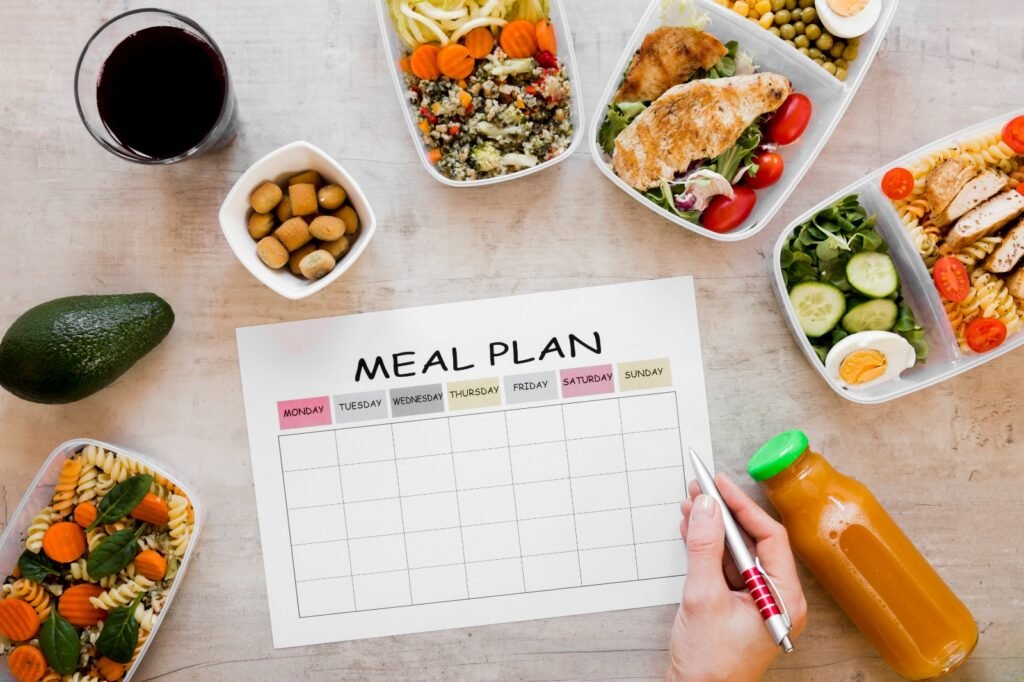
A balanced weekly meal plan does not need to be complicated. You do not have to prepare seven completely different breakfasts, lunches, and dinners. A practical plan can use a small collection of familiar foods while adding enough variety to keep meals enjoyable.
The purpose of weekly meal planning is to organize your food choices around your nutritional needs, schedule, preferences, and available time.
When your plan is realistic, grocery shopping becomes easier, food waste can be reduced, and preparing meals can require less effort during busy days.
Start With Your Weekly Schedule
Before choosing meals, look at your upcoming week.
Consider your work hours, exercise sessions, appointments, family activities, travel, and days when you expect to have less time for cooking.
Some evenings may allow you to prepare a fresh meal, while others may require something that takes only a few minutes.
This information should influence your meal plan.
For example, you might schedule more elaborate cooking on a free day and use leftovers or quick meals on busy evenings.
A meal plan should fit your schedule instead of forcing your schedule to fit the plan.
Decide How Many Meals You Need
Not everyone follows the same eating pattern.
Some people prefer three main meals each day, while others include one or two snacks.
There is no universal number of meals that works for everyone.
Think about your normal routine and choose a structure that feels practical.
If you usually eat breakfast, lunch, and dinner, start there.
If you regularly need an afternoon snack because of your schedule or activity level, include it.
The goal is to organize your food rather than create unnecessary rules.
Choose Your Main Protein Sources
Protein can be included throughout the week using a variety of foods.
Chicken, fish, eggs, yogurt, milk, lean meat, beans, lentils, chickpeas, tofu, and other foods can all contribute.
You do not need to eat the same protein source every day.
For example, chicken could appear in two meals, fish in another meal, eggs at breakfast, and lentils or beans on a plant based day.
Choosing several options before shopping makes it easier to build balanced meals.
It also prevents your weekly menu from becoming repetitive.
Select Your Carbohydrate Sources
Carbohydrates can provide energy and make meals more satisfying.
Rice, oats, potatoes, whole grain bread, pasta, fruits, beans, and other foods can contribute carbohydrates.
Choose options that fit your preferences and activity level.
You can also vary them throughout the week.
For example, oats might be used for breakfast, rice for lunch, potatoes for dinner, and whole grain bread for a quick meal.
There is no requirement to use only one type of carbohydrate.
Add Different Vegetables
Vegetables are an important part of a varied eating pattern.
Instead of buying one vegetable in large quantities, choose several types.
You might include carrots, spinach, broccoli, tomatoes, cucumbers, bell peppers, cabbage, cauliflower, or other seasonal options.
Different vegetables provide different combinations of vitamins, minerals, fiber, and plant compounds.
Using several colors can also make meals more visually appealing.
Frozen vegetables can be useful when fresh produce is expensive or difficult to store.
Include Fruit Throughout the Week
Fruit can provide carbohydrates, fiber, vitamins, minerals, and other beneficial plant compounds.
Choose several fruits that you enjoy and that are easy to keep available.
Bananas, apples, oranges, berries, mangoes, pears, and other options can be used depending on availability.
Fruit can be eaten as a snack or added to breakfast and other meals.
Buying a mixture of fresh and frozen fruit can also help reduce waste.
Choose Sources of Healthy Fats
Dietary fat can be included through foods such as nuts, seeds, avocado, olive oil, eggs, and certain types of fish.
You do not need to add large quantities.
Small amounts can contribute flavor and energy to meals.
When creating your shopping list, choose a few sources that you enjoy rather than purchasing everything at once.
This makes the weekly plan easier to manage.
Build Meals Around a Simple Structure
Once you have selected your main foods, combine them into meals.
A simple meal can contain a protein source, a carbohydrate source, vegetables or fruit, and an appropriate amount of dietary fat.
For example, grilled chicken can be combined with rice and vegetables.
Eggs can be served with potatoes and fruit.
Lentils can be paired with rice and a vegetable dish.
Yogurt can be combined with oats, fruit, and seeds.
These combinations are flexible and can be adjusted according to your preferences.
Plan Breakfast First
Breakfast can be one of the easiest meals to organize.
Choose two or three options that you enjoy and rotate them throughout the week.
One day could include eggs and whole grain toast.
Another could feature oatmeal with milk and fruit.
Yogurt with oats and berries can provide another quick option.
Repeating a few breakfasts can save time without making your overall diet boring.
You can introduce variety through toppings and seasonal ingredients.
Organize Lunches
Lunch can become difficult when you are away from home.
Preparing lunch in advance can solve much of the problem.
Cook a larger batch of food and divide it into several portions.
Rice and chicken can become one lunch, while leftover vegetables and eggs can create another meal.
Sandwiches, wraps, salads, grain bowls, and leftovers can all work.
Choose lunches that are easy to transport and store safely.
Plan Dinners According to Your Schedule
Dinner often provides the most flexibility because you may have more time to cook.
However, busy evenings can still make elaborate recipes impractical.
Assign easier meals to your busiest days.
For example, a quick stir fry might be suitable for a weekday evening, while a longer recipe can be saved for a day when you have more time.
Using prewashed vegetables, canned beans, frozen produce, or previously cooked ingredients can reduce preparation time.
Include Snacks Only When You Need Them
Snacks can be useful, but they do not have to be included simply because a meal plan contains them.
If you are hungry between meals, choose something that contributes useful nutrients.
Fruit, yogurt, nuts, boiled eggs, cottage cheese, or other foods can work.
If you are not hungry, there is no need to force yourself to eat a snack.
Your meal plan should respond to your needs rather than creating unnecessary eating occasions.
Create a Grocery List From the Meal Plan
Once your meals are chosen, turn them into a shopping list.
Write down the ingredients needed for each recipe and remove duplicates.
For example, if chicken appears in three meals, you only need to list the total amount required.
Separate your list into categories such as proteins, vegetables, fruits, grains, dairy products, and pantry items.
This can make shopping faster and reduce the chance of forgetting important ingredients.
Check What You Already Have
Before going shopping, inspect your kitchen.
You may already have rice, oats, spices, canned beans, frozen vegetables, or other ingredients.
Using these foods first can save money and reduce waste.
It also prevents your pantry from becoming filled with products you rarely use.
A good meal plan should work with what you already have whenever possible.
Do Not Buy More Than You Can Use
Buying large quantities may seem economical, but it can create waste if the food spoils before you use it.
Consider how much your household normally consumes.
Perishable foods such as fresh vegetables, fruit, yogurt, and meat may need to be purchased in amounts that match your actual weekly needs.
Frozen foods can be useful when you want to keep ingredients available for longer.
Prepare Ingredients in Batches
You do not have to cook every complete meal in advance.
Instead, prepare basic ingredients.
Cook a batch of rice.
Prepare several portions of chicken.
Wash and cut vegetables.
Boil eggs.
Cook lentils or beans.
These ingredients can then be combined differently throughout the week.
This method provides flexibility while still reducing daily cooking time.
Use Leftovers Intelligently
Leftovers can make weekly meal planning much easier.
A dinner can become the next day’s lunch.
Cooked chicken can be added to a salad or wrap.
Extra vegetables can be combined with eggs.
Leftover rice can be used in a different dish.
Using leftovers does not mean eating the exact same plate repeatedly.
Changing the way ingredients are combined can make them feel like different meals.
Leave Room for Flexibility
A weekly plan should not be treated like a strict contract.
Unexpected situations happen.
You may receive an invitation to dinner, work late, or simply not feel like eating the meal you planned.
Allow some flexibility.
You can move a meal to another day, freeze prepared food, or replace one recipe with another using similar ingredients.
The purpose of planning is to make life easier, not create another source of stress.
Plan One or Two Flexible Meals
Some people find it helpful to leave a couple of meals less structured.
Instead of deciding exactly what you will eat on those occasions, keep several ingredients available.
You can then choose based on hunger, schedule, and preference.
This approach can also make it easier to enjoy restaurant meals or social occasions without feeling that your entire weekly plan has been disrupted.
Consider Your Budget
A balanced meal plan does not need to be expensive.
Many affordable foods can provide substantial nutritional value.
Beans, lentils, eggs, oats, rice, potatoes, seasonal vegetables, bananas, and other basic foods can form the foundation of many meals.
Buying foods in season can sometimes reduce costs.
You can also compare prices between fresh, frozen, and canned options.
The best meal plan is one that fits your financial situation as well as your nutritional needs.
Use Seasonal Ingredients
Seasonal produce can add variety to your meals.
When certain fruits or vegetables are readily available, they can become part of several meals during that week.
As seasons change, your meal plan can change with them.
This naturally introduces variety without requiring complicated recipes.
Seasonal foods can also be useful when you want to keep grocery costs under control.
Make Healthy Choices Convenient
A meal plan works best when the food is easy to access.
Keep frequently used ingredients in visible and convenient locations.
Prepare snacks ahead of time.
Store cooked foods in suitable containers.
Keep fruit ready to eat rather than buried at the back of the refrigerator.
Small organizational changes can reduce the effort required to follow the plan.
Plan for Busy Days
Identify the most demanding days of the week before choosing recipes.
Those days should contain meals that require little preparation.
You might use leftovers, sandwiches, wraps, simple rice dishes, eggs, yogurt, or other quick options.
Save more time consuming recipes for days when you have greater flexibility.
This prevents your meal plan from becoming unrealistic halfway through the week.
Keep Recipes Simple
A meal does not have to contain ten ingredients to be nutritious.
Simple meals can be highly practical.
Chicken with rice and vegetables is simple.
Eggs with potatoes and fruit are simple.
Lentils with rice and vegetables are simple.
Yogurt with oats and fruit is simple.
Once you have a few basic combinations, you can change seasonings, sauces, vegetables, and cooking methods to create variety.
Review Your Plan at the End of the Week
After following your plan for several days, think about what worked.
Which meals were easy to prepare?
Which ingredients went unused?
Which meals did you enjoy?
Which recipes took too much time?
Use this information when creating the next week’s plan.
Meal planning becomes easier as you learn which foods and routines fit your lifestyle.
Avoid Trying Too Many New Recipes
It can be tempting to create an exciting menu with a different recipe every day.
However, cooking seven complicated recipes in one week can create unnecessary work.
Start with familiar meals.
Add one or two new recipes when you have enough time to experiment.
Once you know which recipes you enjoy, they can become regular parts of future meal plans.
Keep Emergency Foods Available
A few long-lasting foods can protect your plan when something unexpected happens.
Canned beans, tuna, oats, rice, frozen vegetables, eggs, whole grain bread, and other practical foods can be useful.
These ingredients can become a quick meal when you do not have time to shop or cook something elaborate.
Having backup foods reduces the likelihood of relying entirely on takeout during unexpected situations.
Balance Nutrition Across the Week
A balanced diet does not require every single meal to contain exactly the same nutrients.
Instead, think about the entire week.
One meal may contain more vegetables.
Another may provide more carbohydrates around a training session.
A different meal may include fish and healthy fats.
The overall pattern is what matters.
Variety across the week can help you obtain a broad range of nutrients.
Adjust Portions to Your Needs
The same meal plan can work for people with different energy requirements by changing portion sizes.
Someone with higher energy needs may use larger servings of rice, potatoes, oats, or other foods.
Someone with lower energy requirements may use smaller portions.
Protein and vegetable portions can also be adjusted according to individual needs.
There is no requirement for every person to eat the same amount of food.
Keep the Plan Easy to Read
A weekly meal plan should be simple enough to understand at a glance.
You can write the days of the week and list breakfast, lunch, dinner, and optional snacks underneath.
You can also include a short preparation note for each day.
There is no need to create a complicated spreadsheet unless you enjoy using one.
The best format is the one you will actually use.
Sample Weekly Structure
A simple week might include eggs and toast for breakfast on several mornings, oatmeal on another day, and yogurt with fruit on a busy morning.
Lunches could rotate between chicken and rice, lentil bowls, tuna sandwiches, and leftovers.
Dinner could include fish with potatoes, chicken with vegetables, beef with rice, or a bean-based meal.
Snacks could include fruit, yogurt, nuts, or another convenient option.
The exact foods are less important than creating a structure that provides variety and fits your nutritional needs.
Meal Planning Does Not Mean Eating Perfectly
A weekly meal plan is a guide.
It is not a requirement that every meal be prepared exactly as written.
If you change one meal, you have not ruined the plan.
If you eat at a restaurant, you can continue with the next planned meal.
If you have leftovers, move them into the schedule.
The more flexible your system is, the easier it becomes to maintain.
Creating a Weekly Plan You Can Actually Follow
A balanced weekly meal plan starts with your real life.
Look at your schedule, decide how many meals you normally need, choose a variety of protein sources, add different carbohydrates, include fruits and vegetables, and select suitable sources of dietary fat.
Turn those choices into simple meals and then create a grocery list based on the ingredients you actually need.
Prepare a few ingredients ahead of time and use leftovers to reduce cooking demands.
Most importantly, leave room for flexibility.
Your plan should be structured enough to provide direction but flexible enough to handle unexpected events.
You do not need a completely different recipe every day, expensive ingredients, or complicated preparation methods.
A few reliable meals, sensible grocery shopping, basic food preparation, and regular adjustments can create a system that works week after week.
The best meal plan is not the one that looks perfect on paper.
It is the one that you can realistically prepare, enjoy, afford, and follow as part of your normal lifestyle.