
Starting a nutrition plan can feel confusing when you first encounter terms such as calories, protein, carbohydrates, fats, BMR, and macronutrients. A macro calculator can make the process easier by turning several personal details into an estimated daily nutrition target.
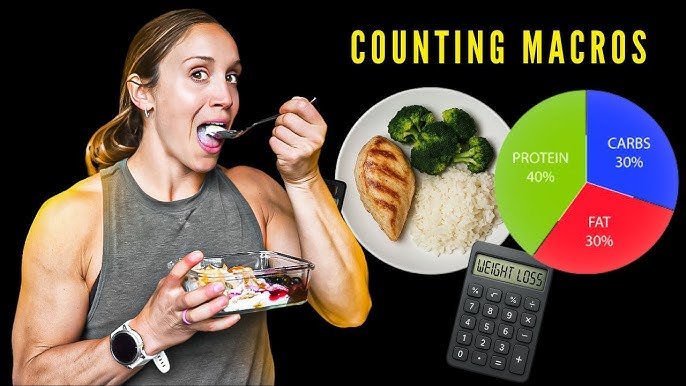
However, using a macro calculator is not simply about entering your weight and accepting whatever numbers appear on the screen. To use one effectively, beginners should understand what the results mean, why the numbers can vary, and how to turn those calculations into realistic eating habits.
This guide explains the basics of macro calculators and shows how beginners can use them without making nutrition unnecessarily complicated.
What Is a Macro Calculator?
A macro calculator is a tool designed to estimate how many calories and macronutrients a person may need each day.
The word “macro” refers to macronutrients, which include protein, carbohydrates, and fat. These nutrients provide energy and perform different functions throughout the body.
Most calculators ask for information such as:
- Age
- Sex
- Height
- Weight
- Daily activity level
- Fitness or weight goal
The calculator uses these details to estimate your energy requirements and then divides your estimated calories between protein, carbohydrates, and fat.
Because these calculations are based on formulas and estimates, the result should be treated as a useful starting point rather than an exact measurement of your personal needs.
Why Beginners Use Macro Calculators
When people begin improving their diet, they often know that calories matter but are less familiar with how those calories are distributed.
For example, two meals could contain a similar number of calories while providing very different amounts of protein, carbohydrates, and fat.
A macro calculator gives you a clearer picture of how your daily intake could be organized.
This can be helpful when your goal is to manage body weight, support exercise, maintain your current weight, or simply understand your eating pattern better.
It can also prevent beginners from randomly cutting foods without knowing whether they are getting enough of important nutrients.
Understand Calories Before Macros
Before focusing on individual macros, it helps to understand calories.
Calories are a measure of energy. Food supplies energy to the body, while the body uses energy for basic functions, movement, exercise, digestion, and other activities.
Protein and carbohydrates provide about 4 calories per gram, while fat provides about 9 calories per gram.
This difference explains why relatively small amounts of high-fat foods can contribute significant calories.
A macro calculator generally starts by estimating your daily calorie requirement and then assigns part of those calories to protein, carbohydrates, and fat.
Understanding this relationship makes the calculator’s results much easier to interpret.
Information You Need Before Using a Calculator
You do not need complicated equipment to begin. Most calculators only require a few basic measurements.
Your body weight is usually entered in kilograms or pounds, while height may be entered in centimeters or feet and inches.
Your age is another important input because energy requirements can change with age.
You will also normally select your sex because many standard equations use different formulas when estimating resting energy expenditure.
Finally, you need to provide an honest estimate of your usual activity level.
This last step can have a noticeable effect on the final result, so it is better to choose the activity category that most closely resembles your normal routine rather than selecting a higher level because you exercise occasionally.
What Is BMR?
Many macro calculators use a measurement called Basal Metabolic Rate, or BMR.
BMR is an estimate of the energy your body would require at rest to maintain essential functions.
Your body continues using energy even while you are sleeping or sitting quietly. Your heart beats, lungs work, body temperature is regulated, and other biological processes continue throughout the day.
BMR does not represent your complete daily calorie requirement because normal life involves movement and activity.
Instead, it provides a starting point for estimating how much energy you may need across an entire day.
What Is TDEE?
Another term you may see in a macro calculator is TDEE, which stands for Total Daily Energy Expenditure.
TDEE attempts to represent the total amount of energy you use during an average day.
It can include energy used for basic bodily functions, everyday movement, structured exercise, digestion, and other activities.
A calculator commonly estimates TDEE by taking an estimated BMR and applying an activity factor.
This is one reason two people with the same height, weight, and age can receive different calorie recommendations if their activity levels are different.
Someone working at a desk all day will generally have different energy requirements from someone whose job involves frequent physical movement.
Choosing Your Activity Level
Activity selection is one of the easiest areas for beginners to misunderstand.
If you exercise once or twice a week but spend most of the day sitting, choosing the highest activity category may overestimate your needs.
On the other hand, someone who walks extensively, performs physical work, and trains regularly may require more energy than a sedentary person.
Try to think about your entire day rather than focusing only on gym sessions.
Consider your occupation, walking habits, exercise routine, household activities, and general movement.
If you are uncertain between two categories, choosing the more conservative option and observing your progress can be a practical approach.
Selecting Your Goal
Most macro calculators ask what you want to accomplish.
Common choices include maintaining weight, losing weight, or gaining weight.
For weight loss, the calculator may recommend consuming fewer calories than your estimated maintenance level.
For weight gain, the recommendation may involve consuming more calories.
For maintenance, the target generally aims to keep calorie intake around estimated energy expenditure.
The important point is that the calculator is making an estimate based on the information you provide. It cannot predict exactly how your body will respond.
Your actual results over time provide additional information that can help you determine whether the starting target is appropriate.
Protein in a Macro Calculator
Protein is one of the three main macronutrients and is especially important when planning a balanced diet.
It contributes amino acids that the body uses for many functions, including maintaining and repairing tissues.
Foods that can provide protein include eggs, fish, poultry, dairy products, beans, lentils, tofu, nuts, seeds, and other protein-rich foods.
Many macro calculators assign a specific protein target based on body weight or another formula.
Do not assume that a larger protein number is automatically better. Your appropriate intake depends on your individual circumstances, diet, activity, and goals.
People with certain health conditions or specific dietary requirements should seek personalized guidance from a qualified professional.
Understanding Carbohydrates
Carbohydrates are another major macronutrient.
They are found in foods such as fruits, vegetables, grains, rice, potatoes, oats, beans, and many other foods.
The body can break down carbohydrates into glucose and use it as an energy source.
For people who exercise, carbohydrates can be particularly useful because demanding physical activity can increase energy requirements.
A macro calculator may assign carbohydrates the calories remaining after protein and fat targets have been established.
The result can therefore vary significantly depending on the selected calorie target and macro distribution.
Understanding Dietary Fat
Beginners sometimes misunderstand fat because it contains more calories per gram than protein or carbohydrates.
However, dietary fat is an essential component of a balanced eating pattern.
Sources include nuts, seeds, avocado, vegetable oils, eggs, fish, and various dairy foods.
Some macro calculators set a fat target first, then allocate the remaining calories to carbohydrates.
As with the other macros, the exact number should not be viewed as a perfect requirement. The purpose of the calculation is to establish a practical framework.
How to Read Your Calculator Results
Imagine that a calculator gives you a daily target of 2,100 calories along with specific protein, carbohydrate, and fat numbers.
Do not interpret this as meaning you have failed if one day is slightly above or below the target.
Nutrition is not a mathematical test where every number must be perfect.
Instead, think of your results as daily guidelines.
You can use them to compare meals, plan portions, and understand whether your usual eating habits are roughly aligned with your goal.
Consistency over time is generally more useful than trying to achieve identical numbers every single day.
Macro Tracking Does Not Require Perfect Meals
Beginners sometimes believe that every meal must contain precisely the same ratio of protein, carbohydrates, and fat.
That is unnecessary for most people.
One meal may naturally contain more carbohydrates, while another may contain more protein or fat.
What matters is how your overall intake fits together.
For example, a breakfast could be relatively high in protein, lunch could contain a larger portion of carbohydrates, and dinner could provide a different combination.
This flexibility makes a macro-based approach easier to maintain.
How to Build Meals Around Your Targets
Once you know your approximate macros, begin with foods you already enjoy.
Choose a protein source, add a carbohydrate source, include vegetables or fruit, and use an appropriate amount of fat.
The exact combination can change depending on your preferences.
For example, a meal could contain grilled chicken with rice and vegetables, while another could use beans, whole grains, vegetables, and a small amount of healthy fat.
You do not need expensive foods or complicated recipes to reach your macro targets.
Simple meals can work extremely well when portions and ingredients are understood.
Use a Food Tracking App Carefully
A food tracking application can make macro monitoring easier, particularly when you are learning how different foods contribute to your daily intake.
You can record meals and compare the totals with your target.
However, food databases sometimes contain inaccurate or inconsistent entries. Restaurant meals can also be difficult to estimate because recipes and serving sizes vary.
For packaged foods, checking the manufacturer’s nutrition label can provide a more reliable reference.
The purpose of tracking is to improve your understanding of your diet, not to create unnecessary stress over tiny differences.
What If Your Results Do Not Match Your Goal?
Do not immediately assume that the calculator is wrong.
First, give yourself enough time to observe a trend.
Daily body weight can fluctuate because of water retention, food volume, sodium intake, carbohydrate intake, and other normal factors.
Instead of focusing on one day’s measurement, look at changes over a longer period.
If your results consistently move in a different direction from your intended goal, your calorie target may need adjustment.
Remember that calculator formulas cannot account perfectly for every individual’s metabolism and daily activity.
Real-world results are therefore an important part of refining your plan.
Common Beginner Mistakes
One common mistake is entering an inaccurate activity level.
Another is treating the calculator’s numbers as medically precise measurements.
Some beginners also try to make dramatic calorie reductions because they believe faster results are always better. Extremely restrictive approaches can be difficult to maintain and may not provide adequate nutrition.
Ignoring food quality is another problem. Hitting a macro target does not automatically guarantee a balanced diet.
Finally, constantly changing your targets can make it impossible to understand what is actually working.
Give yourself time to establish a routine before making unnecessary changes.
Should Beginners Track Macros Every Day?
Not everyone needs to track macros permanently.
For some people, tracking can be a useful learning tool. It teaches portion awareness and shows how different foods contribute to calorie and nutrient intake.
After several weeks or months, some people become comfortable estimating portions without recording every meal.
Others may prefer continuing to track because they enjoy having specific numbers.
There is no requirement to choose one approach forever.
The best method is the one that helps you make informed choices without becoming difficult or stressful to maintain.
Final Thoughts
A macro calculator can be a useful starting point for anyone who is learning about nutrition. It combines basic personal information with an estimated activity level and goal to produce calorie and macronutrient targets.
The most important thing to remember is that the numbers are estimates.
Use your calculator results as a framework rather than a strict set of rules. Learn what protein, carbohydrates, and fats do, pay attention to the quality and variety of your food, and observe how your body responds over time.
As you become more familiar with portions and meal planning, calculating macros can become much less complicated. Instead of worrying about achieving perfect numbers, focus on developing eating habits that are balanced, practical, and sustainable.